
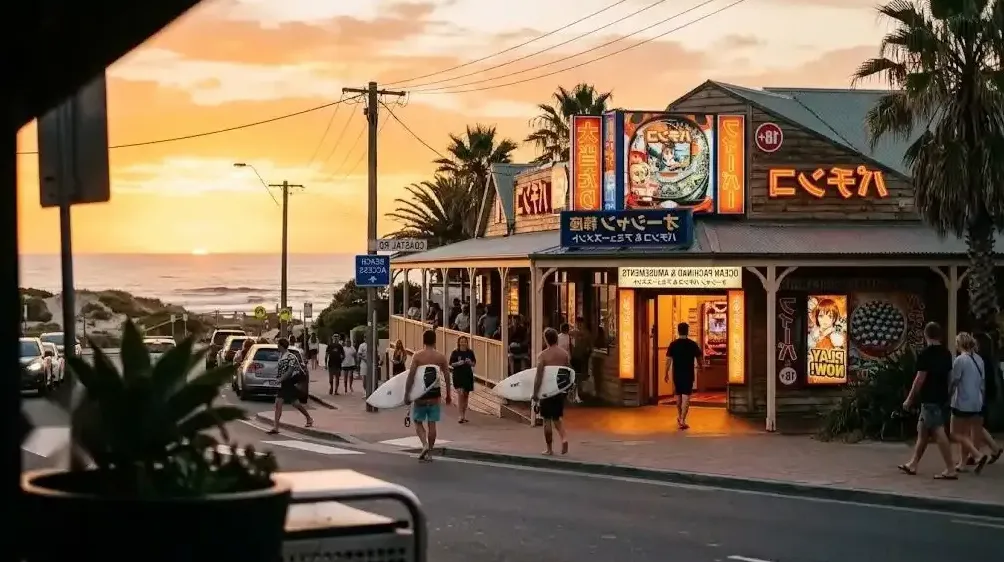
What an izakaya actually is
The izakaya is Japan's answer to the pub — a place built around the principle that drinking and eating and talking are one activity, not three. The word itself translates roughly as 'a shop where you sit and drink sake', and the tradition goes back centuries.
The format matters: food arrives in small plates continuously rather than in courses, drinks are poured generously and often, and the whole arrangement is designed to stretch an evening rather than conclude a meal. An izakaya visit isn't dinner — it's the venue for the night itself.
Ours runs the tradition faithfully: bincho-grilled yakitori, a ramen that simmers twelve hours, a sake list our bar manager curates from trips to Japan, and a counter where the cook is three feet away and will tell you what to order.
People come for the machines and stay for the yakitori. I've watched it happen for four years.
The counter ritual
Sit at the counter if you can — the tables are fine, but the counter is the izakaya. You watch the skewers turn over charcoal, the cook calls out recommendations, and the person beside you is halfway through their own evening and usually happy to compare notes.
Ordering follows its own rhythm: drinks first, always, then food in waves rather than all at once. The house rule is start with the skewer set and let the kitchen pace the rest — the yakitori arrives when it's ready, which is precisely when you want it.
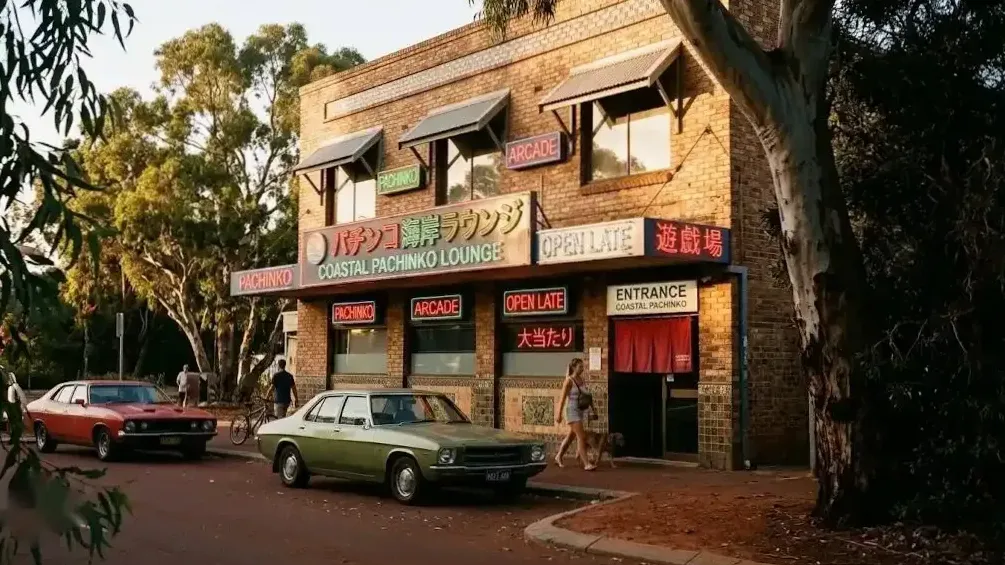
Why it works in a pachinko club
The sake list deserves the attention it gets. Cold-room storage, proper glassware, and a flight option that takes you through three pours for the price of an education. If you've only ever had warm sake from a bottle, the flight will recalibrate you.
Pachinko and izakaya culture grew up together in Japan — the parlour and the pub are natural neighbours, and the rhythm of one feeds the other. Play for an hour, eat at the counter, play again: the alternation is the tradition, not a compromise.
That's why our kitchen runs till 1am and the bar till close — the izakaya isn't an amenity bolted onto a gaming floor. It's the reason a night at the club feels like a night out, and the reason so many members describe the place as a second living room rather than a venue.
Key takeaways
- An izakaya is a venue for the evening, not a dinner stop
- Sit at the counter — it's where the experience lives
- Order drinks first, food in waves, and let the kitchen pace it
- The play-eat-play rhythm is the tradition, not a compromise
Related reading at the club
Written by
Priya Nair
Izakaya manager and sake list curator